
The Role of Medical Personnel in Trauma-Informed Communication with Women Survivors of Violence
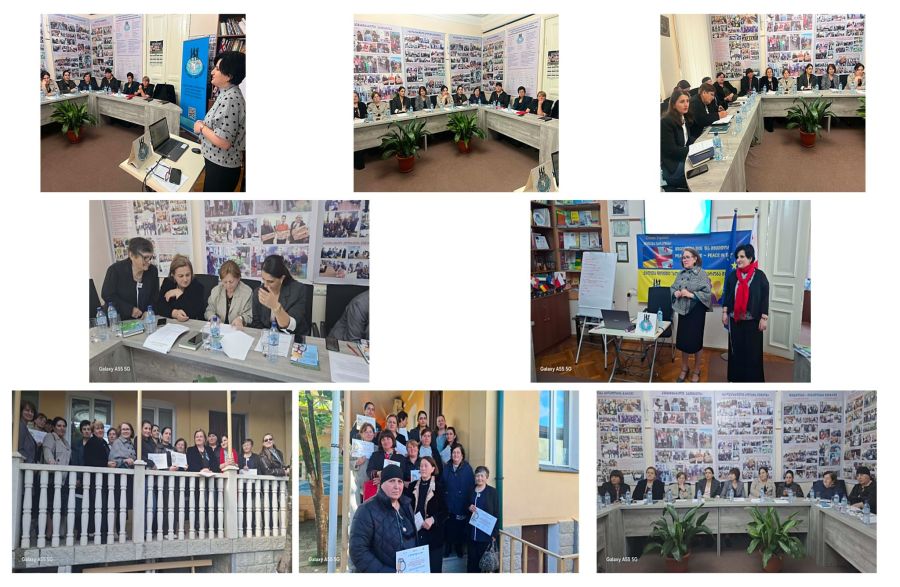
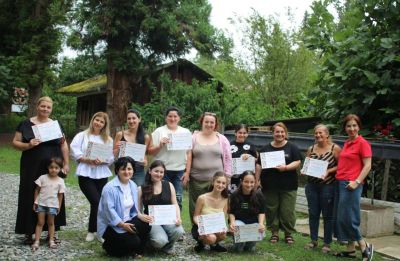
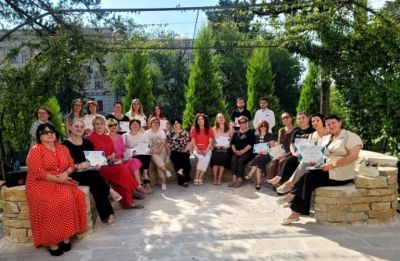
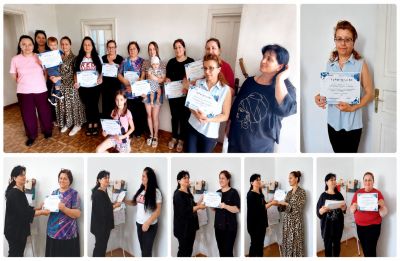
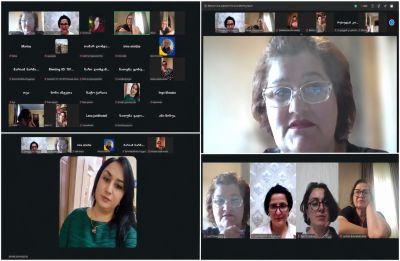
On May 6, in Kutaisi, the Charity Humanitarian Women Fund “Sukhumi” organized a training for medical personnel on the topic: “The Role of Medical Personnel in Trauma-Informed Communication and Support for Women Survivors of Domestic Violence.”
The training brought together 20 medical professionals - doctors and nurses from Kutaisi, Tskaltubo, Khoni, Senaki, and Zugdidi.
The main goal of the meeting was to raise awareness among medical personnel about trauma-informed approaches, sensitive communication, and response mechanisms in cases of domestic violence. Participants discussed the impact of stereotypical attitudes, the emotional state of women after trauma, and how the first contact with medical personnel can become the beginning of support and a sense of safety for women.
One of the important parts of the training was dedicated to the referral mechanism. Within the block facilitated by Ema Kamkia, participants discussed the roles of the actors involved in the referral process, the responsibilities of medical personnel, documentation issues, cooperation with relevant agencies, and risk assessment mechanisms.
The block on trauma-informed communication was facilitated by Khatuna Gogua. Participants worked on how communication with a woman survivor of violence should be conducted in a way that does not deepen her fear, shame, or sense of insecurity.
During the discussion, participants noted that referral documentation should be more compact and practical, so that it can be used more effectively in real working environments and does not create additional discomfort either for the survivor or for medical personnel.
“We, doctors, have never participated in trainings on such topics before. We received information that is not only important, but necessary for our work,” one of the participants noted.
“We are leaving emotionally and informationally enriched. We reflected on our own responsibility. In our practice, we often come into contact with women survivors of violence, and communication with them is especially important,” said another participant.
At the end of the meeting, participants emphasized the importance of sharing experience and gaining practical knowledge. The training once again highlighted that, when working with women survivors of violence, the role of medical personnel is not limited only to diagnosis and treatment — it is also connected to women’s safety, trust, and support.
The project is implemented with the support of CISU